Canvas Printing Mastery: Your Guide to Professional Tips and Spectacular Results
Canvas printing can transform images into stunning wall art, but the best results demand careful consideration. Selecting appropriate images and materials is crucial, as is mastering the printing process itself. Common pitfalls can compromise quality, yet with proper techniques, one can substantially elevate their prints. Mastering these details can improve any artwork. What targeted approaches can make a notable difference in the finished product?
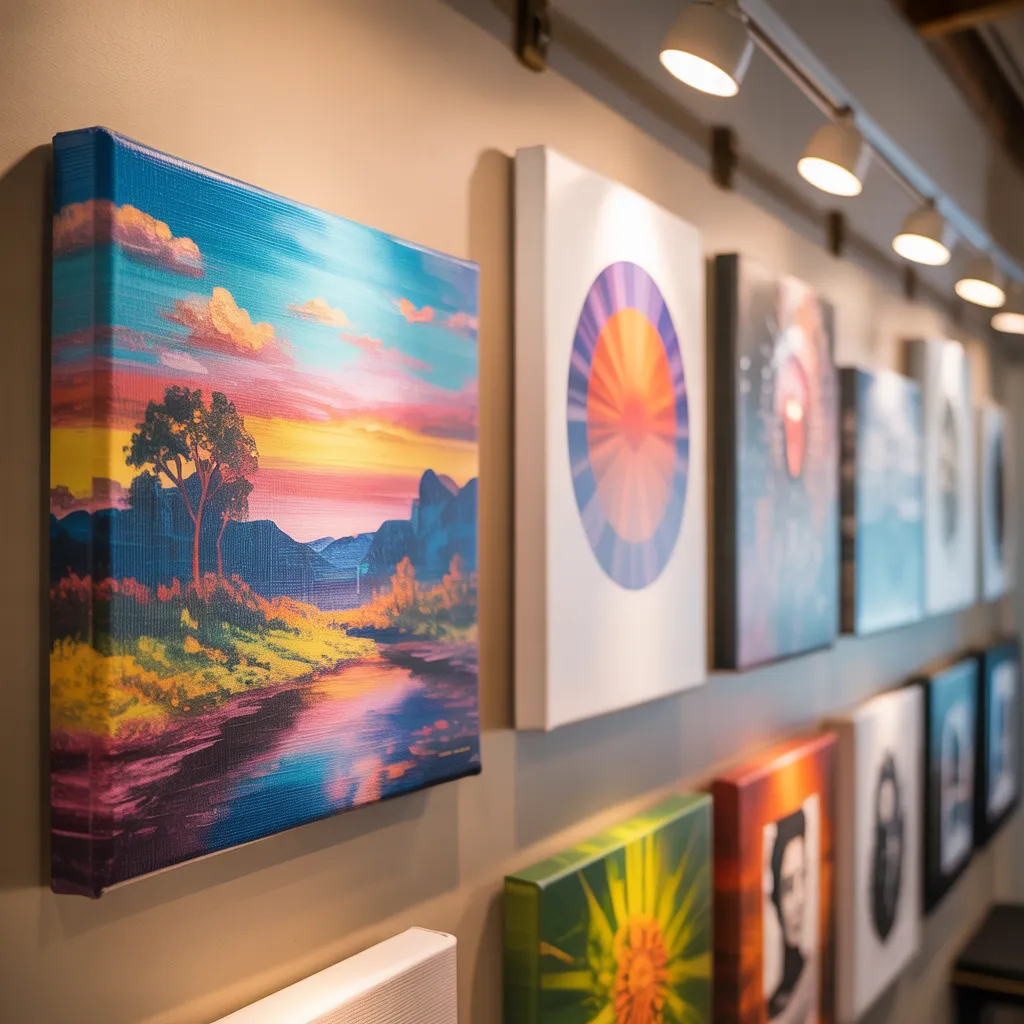
What Photos Work Best for Canvas Printing?
When considering images for canvas printing, high-resolution photographs generally yield the best results. These images guarantee sharp details and vibrant colors, critical for creating visually appealing art pieces. Photographs taken using professional cameras or premium smartphones often meet the necessary resolution standards. Nature scenes, portraits, and abstract compositions are popular choices, as they translate well onto canvas.
Beyond resolution, composition serves a vital function. Images with strong focal points or captivating textures can enhance the overall impact of the print. Color contrast is another important factor; bold colors can make a canvas print command attention, while softer tones may create a more subtle effect.
Ultimately, choosing images that resonate emotionally or tell a story can substantially elevate the canvas printing experience, transforming a straightforward photograph into a striking work of art. Thoughtful consideration of these elements results in stunning effects that capture the viewer's attention.
How Canvas Materials Affect Print Quality
Canvas material greatly influences the general quality of printed images. The decision between cotton and polyester canvas can substantially influence texture, durability, and color reproduction. Cotton canvas is often favored for its natural feel and superior color absorption, which can produce richer, more vibrant prints. On the other hand, polyester canvas provides a smooth finish and enhanced resistance to fading, making it excellent for prints exposed to light.
The weight and weave of the canvas also play important roles. Heavier canvas materials offer superior support and durability, while finer weaves can enhance detail and sharpness. Furthermore, canvases with primer treatment for improved ink reception, guarantee that colors appear more vivid and details remain sharp.
In the end, picking the correct canvas material is crucial for obtaining stunning results in canvas printing, as it directly affects the final appearance and durability of the artwork.
Guidelines for Becoming Proficient in the Canvas Printing Technique
Comprehending canvas materials sets the foundation for perfecting the canvas printing process. Choosing the right canvas type, whether it's a poly-cotton blend or 100% cotton, substantially influences the final outcome. Proper color calibration is essential; ensuring that the monitor and printer settings align can eliminate discrepancies. In addition, utilizing high-resolution images is critical; images should be at least 150 DPI for best sharpness and clarity.
Running a test print beforehand can help spot any issues related to color or detail. This procedure allows for fine-tuning without harming the final result. Furthermore, ensuring the printer's ink is suitable for canvas is essential, as some inks may bleed or fade over time.
In conclusion, once the print is completed, providing adequate drying time ahead of handling will aid in preserving the quality of the artwork. These tips combined lead to a productive canvas printing endeavor, producing remarkable results that highlight the original artwork effectively.
Enhancing Your Canvas Prints Through Framing and Display Techniques
Improving canvas prints through careful framing and display can enhance their visual impact and integrate them seamlessly into any space. Choosing the right frame is crucial; it should complement the artwork without overpowering it. Minimalist, modern frames often work well for contemporary pieces, while ornate frames can complement traditional artworks.
Consider the arrangement and spacing when displaying canvas prints. A dynamic focal point is created by grouping multiple pieces, whereas a single statement piece attracts attention in a minimalist setting. Another factor is height; hang artworks at eye level for optimal viewing.
Lighting plays a significant role as well; natural lighting or carefully positioned spotlights can showcase texture details and color tones. Finally, evaluate the ambient décor—coordinating or opposing elements can harmonize the canvas print with the general style of the room, producing a balanced atmosphere that highlights the artwork perfectly.
What Are the Key Mistakes to Avoid When Printing on Canvas?
Selecting the right framing and display techniques can greatly enhance canvas prints, but issues in the printing process can cause disappointing results. One common issue is using low-resolution images, which can lead to pixelation when enlarged. In addition, ignoring color calibration can cause prints to appear faded or inaccurate.
An additional mistake is disregarding the value of proper canvas selection; utilizing the wrong material can compromise both durability and texture. In addition, overlooking the need for stretching and mounting can result in distortion or sagging over time.
Incorrect handling throughout the printing process, such as enabling moisture exposure, can also compromise the quality of the final product. Finally, not providing sufficient drying time can cause smudged prints. By preventing these pitfalls, individuals can secure their canvas prints achieve the stunning results they desire.
FAQ
What Is the Typical Lifespan of Canvas Prints?
Canvas prints usually last between 50 and 100 years when well-maintained. Elements like light exposure, humidity, and the quality of materials used can substantially affect their longevity and aesthetic quality over time.
Is It Possible to Print on Canvas with a Home Printer?
A home printer is capable of printing on canvas, as long as it supports this type of material. Specially designed canvas sheets for inkjet printers are readily available, allowing individuals to create personalized artwork or photographs at home.
What Kinds of Inks Are Ideal for Canvas Printing?
Pigment-based inks are best for canvas printing, as they present excellent color permanence and longevity. Dye-based inks, while vibrant, tend to fade more quickly. Selecting high-quality inks provides comprehensive guide lasting, stunning results on canvas.
Can You Repair a Damaged Canvas Print?
It is possible to repair a damaged canvas print. Restoration methods consist of applying protective coatings, re-stretching, and patching tears. Expert restoration services can further improve durability and visual appeal, ensuring the artwork maintains its visual integrity over time.
What's the Proper Method for Cleaning My Canvas Prints?
When cleaning canvas prints, softly dust with a soft, dry cloth or utilize a slightly damp cloth for marks. Stay away from harsh chemicals and too much moisture to maintain the print's integrity and color brilliance.